Categories
Members Corner

601 Home Wines Judged at Annual Competition

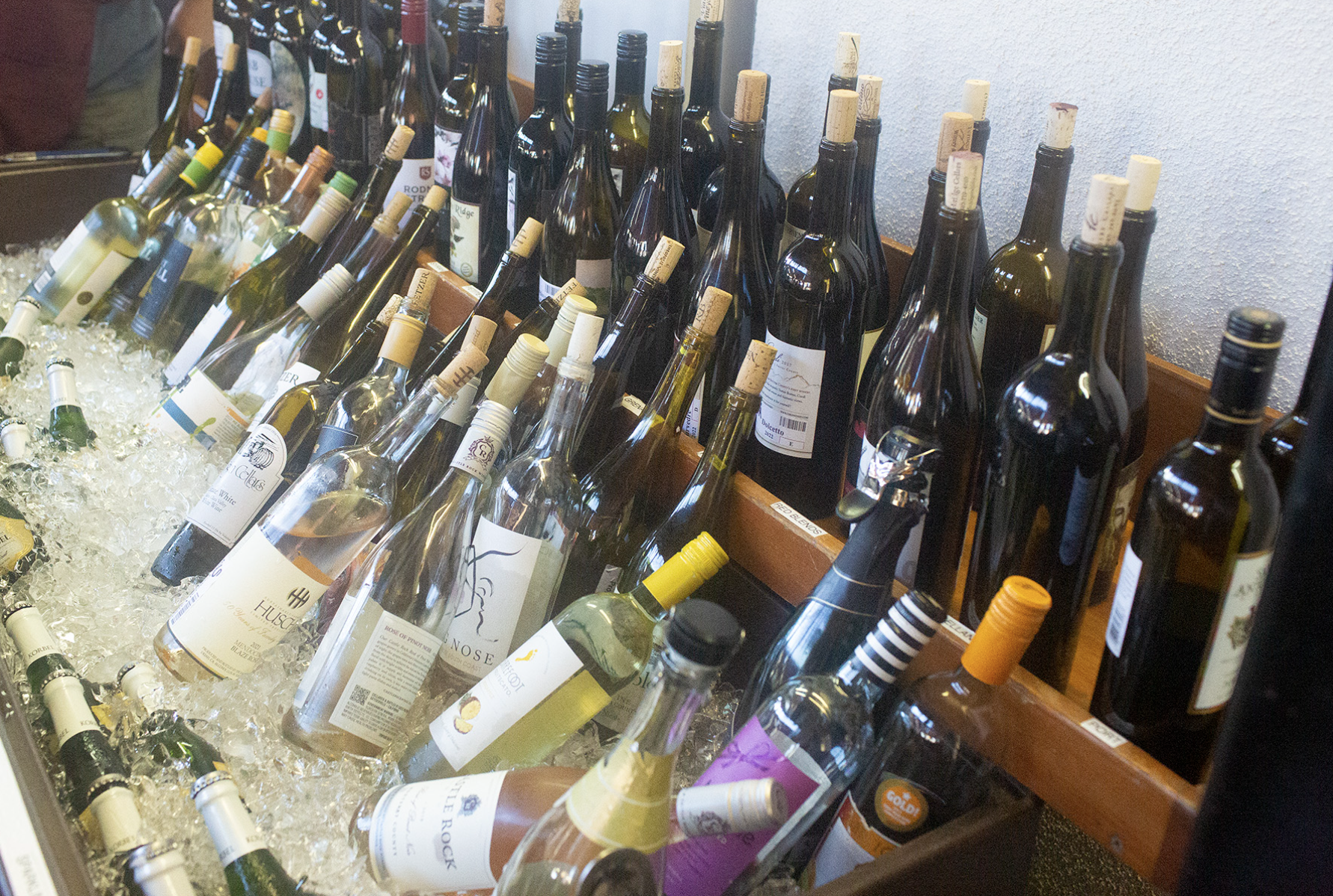
On June 6, the Orange County Wine Society hosted our 50th annual Home Wine Competition in the Courtyard and Huntington Beach building. I am happy and proud to say that it went off in a wonderfully successful manner, thanks to all our 80 stewards and support staff, 10 members from our Cook’s Caucus  and 78 judges from across California, and as far away as Memphis Tennessee, and Puerto Rico!

Together, we evaluated 601 wines from 177 winemakers from across California, with the largest category red blends having 65 wines and Cabernet Sauvignon with 58 wines. We are happy to award 119 Double Gold Medals, 90 Gold Medals, 239 Silver Medals and 111 Bronze Medals.

I am hearing over and over from our judges, complimenting that the wines “just keep getting better and better every year.”  Best of Show awards went to Red Wine: Tom Bender (2024 Petite Sirah, White Wine), White Wine: Emiko Miyamoto (2025 Viognier, Rosé Wine), Rose Wine: Scott Carpenter (2025 Barbera Rosé), Fruit Wine: Ed Wall (2025 Dessert style Pomegranate), and Dessert Wine: Michael Ray Brown (2024 Late Harvest Concord Wine). 

Our Label Competition had 78 entries this year and Best of Show went to Jack Graham for his label on his 2025 Grenache Blush wine. We handed out 36 Gold Awards, 23 Silver Awards and 18 Bronze Awards for their beautiful wine labels.

You can view your Wine and Label results at HomeWineCompetition.com.

As for the operation of the Home Wine Competition, comments have been overwhelmingly positive, including:

I was judging today at the amateur competition and I was struck by how well organized the whole event was. From preparatory seminars and timely emails to the food offerings and the wine pouring and glassware cleaning and the score checking, all the amazing volunteers – everyone knew exactly what to do! This is probably the best organized wine comp I have attended. — Alan Atkinson

Thank you Alan!

Our amazing bragging rights are that we send out emails and post our scores on our website for all the winemakers in LESS THAN 24 HOURS after the end of judging, and our scoresheets and medals will be going out WITHIN TWO WEEKS!  (The three other large Home Wine Competitions serving our winemakers all take over 30 days!!! to get their results out, and longer to mail the medals). Congratulations to Stacey Taylor and Carolyn Christian for getting the scores out quickly and Lynda Edwards and John Kienstra for getting the scoresheets and medals out quickly.

Special kudos go to my HWC Committee: John Lane (Head of Judges), Ed Reyes and Cheryl Knapp (Head of Volunteers), Stacey Taylor (Database Manager), Wendy Taylor (Label Head Judge), Carolyn Christian (Marketing), Lynda Edwards and John Kienstra (Awards and Scoresheet Mailing), Teri Lane and Stephanie D’Jang (Scoring), Kim Guerin (BOS Head Steward), Jerry Guerin (Instructor for Judges’ Seminar), Fran Gitsham (OC Fair Liaison), and Lynda Edwards, Craig and Lisa Peterson (Cook’s Caucus). And special thanks go out to the OC Fair and Event Center for the FANTASTIC 50 YEARS OF SUPPORT of both of our competitions and being great partners with our organization.

I have been the Chair of this Competition for the past 13 years, and I send a sincere THANK YOU to all of our volunteers who contribute to make the OC Fair’s Home Wine Competition an AMAZING SUCCESS year after year after year!

Kevin Donnelly, Chair, OC Fair Home Wine Competition

Categories
Members Corner

Wines Erupting With Flavor

I have recently read a number of articles about volcanic wines, wines made from grapes grown on the very diverse volcanic soil. And naturally since California has the most vineyards planted in volcanic soil in the U.S., volcanic wines are of interest. While Europe’s volcano activity dates back eight million years with some activity as recent as 17,000 years ago, California’s volcanic activity started two million years ago with the most recent being 10,000 years ago. Nevertheless, volcanic soil, resulting from the pyroclastic lava, ash and igneous rock contains volcanic glass, minerals such as basalt and feldspar, and high amounts of iron, magnesium, calcium and potassium making it a highly fertile soil. However, the harsh climates and terrain often associated with volcanic soil locations coupled with the soil’s fertility provide ideal terroir of certain grapes. Here’s a little quiz to learn more.

CL Keedy, Co-Chair Wine Education Committee

Categories
Courtyard

Looking for OC Fair Buttons for 50th Anniversary Display

Are you one of the many OCWS members who has been attending the OC Fair for decades?  In honor of our 50th anniversary, and our 50-year relationships with the OC Fair, we will be showcasing a collection of OC Fair pins that feature a different fun theme each year.

We are missing a few years. If you have any of these years, we would appreciate borrowing it for our OC Fair display in July and August in The Courtyard.  We will return it to you after the fair, or if you choose to donate it, it will become part of our permanent archives.

Here are the years we still need (borrowed or donated):

1970s: 1976, 1977, 1978, 1979

We are borrowing the following years from members, but we would like to make our collection complete.  So, if you would like to donate one from any of the following years to make the OCWS collection complete, we would greatly appreciate it.

1990s: 1995

2000s: 2005

2010s: 2010, 2014, 2015, 2018, 2019

2020s: 2020, 2021, 2022, 2023, 2024, 2025

If you have any of these buttons or other historical information on OCWS, please contact Carolyn Christian at carolyn@OCWS.org. We will be putting the display cases together the first two weeks of July, so please contact us right away.

Thank you in advance for supporting our efforts to document and celebrate our 50th anniversary.  A special thank you to Sara Yeoman and Sue England, who have already loaned us buttons from their collections for some years that we were missing.

Categories
BOD Election

Candidates encouraged to get involved, toss their hat in the ring

It’s the most wonderful time of the Year. Summer, the fair, and time to think about running for the OCWS Board of Directors.

Please note that the earlier you declare, if you’re working at the fair and events you can campaign with your friends and fellow members. You can hear and listen to the issues that other members have and are concerned about.

Have you thought about getting more involved with the OCWS outside of volunteering for or
attending various OCWS‑related events? If you are innovative, open-minded, possess good interpersonal skills, are results oriented and a problem solver, then a position, as a Director of the OCWS just might be right for you.

The beginning of a three-year term of the nine members of the Board of Directors, according to the bylaws, shall be staggered such that three members’ terms will expire each year. The three vacated Board positions will be filled each year by a
vote of the OCWS membership, following the Annual Business Meeting in September.

The overall time commitment for a board member varies, based on assignments and participation. We are moving from having the Board manage some events to having our
members run the event with a Board coordinator being the liaison to the Board regarding budgets, event timing and placement.

A candidate should possess some of the following skills and experience as well:
• General knowledge of OCWS events and activities
• Experience as a volunteer in some events
• The ability and time to organize events during the year
• Selected event and budget management skills
• Be a member in good standing

To declare your candidacy for a position on the Board, the candidate must present their Declaration of Candidacy in writing, by mail or via electronic media to the Election Chair no later than 14 calendar days prior to the scheduled Annual Business Meeting.

During the Annual Business Meeting, you will have the opportunity to speak to the membership and present your qualifications. A written Statement of Qualifications must be presented to the Election Committee no later than five calendar days after your Declaration of Candidacy. If being an OCWS leader interests you, feel free to contact
Greg Hagadorn with any questions related to director responsibilities, the election process or anything related to the election. I can be reached at 714.388.8803 or at Greg@OCWS.org.

Greg Hagadorn, 2026 Election Chair

Categories
Members Corner

A Vintner’s Irreverent Musings

Differences between Commercial and Homemade Wine

I am an artist and a lover of wine. A known contrarian. And after years of creating scores of wines of different varietals, an award-winning home winemaker. Let us get the foundation of my experience straight, right off the bat. Establish my perspective so to speak. I’ve been asked by many what I think makes a great wine and I’m happy to share that with you. Grab a glass and here we go.

In 2014, I attended my first organized, official wine competition as a volunteer. I had been interested in wine for decades and “googled” how to get involved locally. The OC Fair Commercial Wine Competition came up on the OCWS website. This event would introduce my first exposure to the difference between commercial and home winemaking.

After a quick race of tasting (and mostly spitting out) commercial wines, I stumbled upon a table separated from the rest. After sampling a few glasses, I asked a gentleman manning the table which winery they represented as they were clearly the best wines I had ever tasted. The wine was extraordinary. Clean, delicious and authentic – ‘living’ was the description that came to mind. His reply surprised me. “We are the OC Home Winemakers Club.” Up until that point in my life, I had never heard of home winemaking. This was the moment that my life truly changed.

That day my first revelation on wine budded. I discovered most commercial wines have a similar dull, meh aroma and an adulterated, unnatural taste of additives when compared with good homemade wine’s fresh clean taste. I determined this came from its youth and purity. This is similar to the difference between frozen processed food that has depleted most of its fresh flavors and living nutrients versus home grown, fresh-picked, organic fruit, vegetables, herbs and freshly baked bread. Many of us can remember, and the lucky ones still have access to, real fresh food. The non-GMO fruit with seeds and vibrant fruit flavors, vegetables with imperfections tasting as God intended, the authenticity of artisan breads. What a difference when we taste the true essence of the earth. I had sadly become accustomed to the processed food flavor of simile of added cherry, grape, plum and blueberry, which behaved as an afterthought

rather than an integral part of the food product. The dried herbs that have lost most of their essence. Imitation vanilla, blueberry flavored syrup. I do know the smell and taste of real Belgian chocolate!

My second wine revelation happened when I came home after judging a wine competition a couple of years later. After a long day I went into my backyard where my wife had planted a blueberry bush years before. I picked a couple organic ripe tiny blueberries off of our bush and popped them into my mouth where they exploded with intense sweet, sour and juicy flavors. I realized the strong aromatic, pungent quality was the same smell/flavor I had struggled to pinpoint just a couple hours earlier when debating with the wine judges about one of the submission’s flavors. It had eluded us at the time. Now it was clear. This is what a real blueberry tastes like. The flavor that escaped me just hours before was almost identical to the fresh-from- the-earth blueberry I had just eaten! I realized I had not tasted this authentic flavor for a very long time. It brought to mind picking and eating wild blueberries in Rhode Island 50 years ago. My grandmother’s fresh picked blueberry pies I ate as a child tasted remarkably different than the blueberry pie filling we had been buying in a can.

Up until this time, my understanding of the history of wine consumption was that most wine had been local and affordable, grown and produced in rural areas. This was before the industrial revolution when large populations moved to the city and food and drinks began being mass- produced with cold shipping. Food and wine had to be produced at a much larger scale. When most people lived rurally, good food and wine was local, affordable and natural. This was especially true in wine countries where it is ubiquitous or locally grown, as was the case of my immigrant grandfather who made his wine at home from Concord grapes he grew.

To find affordable natural, unadulterated (no filtering, pumping, blending or additives) single vineyard organic wine, I realized I would have to make it. I also discovered the natural

commercial wines currently available on the market too often used the natural wild yeasts, giving it undesirable, uncontrollable aromas and flavors I did not appreciate.

I contemplated; How would the most delicious wine be made? If one did not need to make a profit or sell the wine, and all the finest grapes and materials were available to use, allowing no compromise, would it not become the best wine, the most delicious wine? I believed it would be handcrafted home wine using only gravity and lab grown yeast strains within a temperature-controlled environment, aged in the best oak barrels in the world and using California’s premium grapes. One can now choose the varietals and the appropriate yeasts strains, enhancing certain flavors or mouthfeel profiles to make the preferred style of wines with some of the worlds’ finest fresh grapes picked only hours ago, shipped to its destination within the same day. How wonderful is that. This is what I set out to do.

My hypothesis is most wine consumers would prefer good homemade wine, however, they never have a chance to compare them to good commercial wine. My bar for judging good wine is this… Do I want a second glass of this one or would I rather taste other wines available? Or expressed another way; Would a non-wine drinker say “yyuummm” about the mouth feel and flavor? Or does this taste like Water+Fruit+Sunshine+Earth+Weather+Time should taste like?

I understand everyone has their preferred style of wine that they find delicious. However, in my eyes, when encountering a new experience in which you taste a wine so well-balanced with acid, tannins and fruit that you salivate and drool involuntarily… all while your cheeks stick to your teeth and your tongue to the roof of your mouth and your tastebuds are exuberant with complex layers of living aromas and flavors with a long finish… That your senses demand another sip or you will not be as happy ever again… that is a great wine. I have been fortunate to have tasted a few of them in my life so now have an opinion on what I find exceptional. However, I am still a student of great wine and know very little about it besides 40 years of consumption and 12 years of winemaking experience with no academic studies. After all, these are just my musings while tending my wine in the cellar.

However, it would be exciting to create an opportunity to compare good commercial wine to  good home wine with a seasoned judge, perhaps a sommelier, chef or collectors and avid consumers who drink three or four bottles a week.

Join me as I share some more of my revelations. I look forward to it and I hope you do too! If you have a description of good and great wine, I would like to hear it. Barrel tastings for the two favorite submissions.

Cheers,

Jim@dfandc.com

Jim Kerins is an artist and has been making wine for 12 years receiving dozens of Gold and Double Gold Awards including Best of Show Award at the OC Wine Home Winemaking Competition. His passion is sharing his knowledge and expanding the minds of wine lovers.

Categories
Members Corner

President’s Message

Fred Heinecke This is the season for the OC Fair Wine competitions. The Commercial Competition took place May 30 and 31 at the Costa Mesa Hilton. The 50th annual was the big event and a big success. The Commercial Wine Competition Committee always strives for, and each year seems to raise, the bar for the […]

This article is only available to members. Please LOGIN HERE to access this article.
Categories
Mini Tastings

Mini-Tasting Results

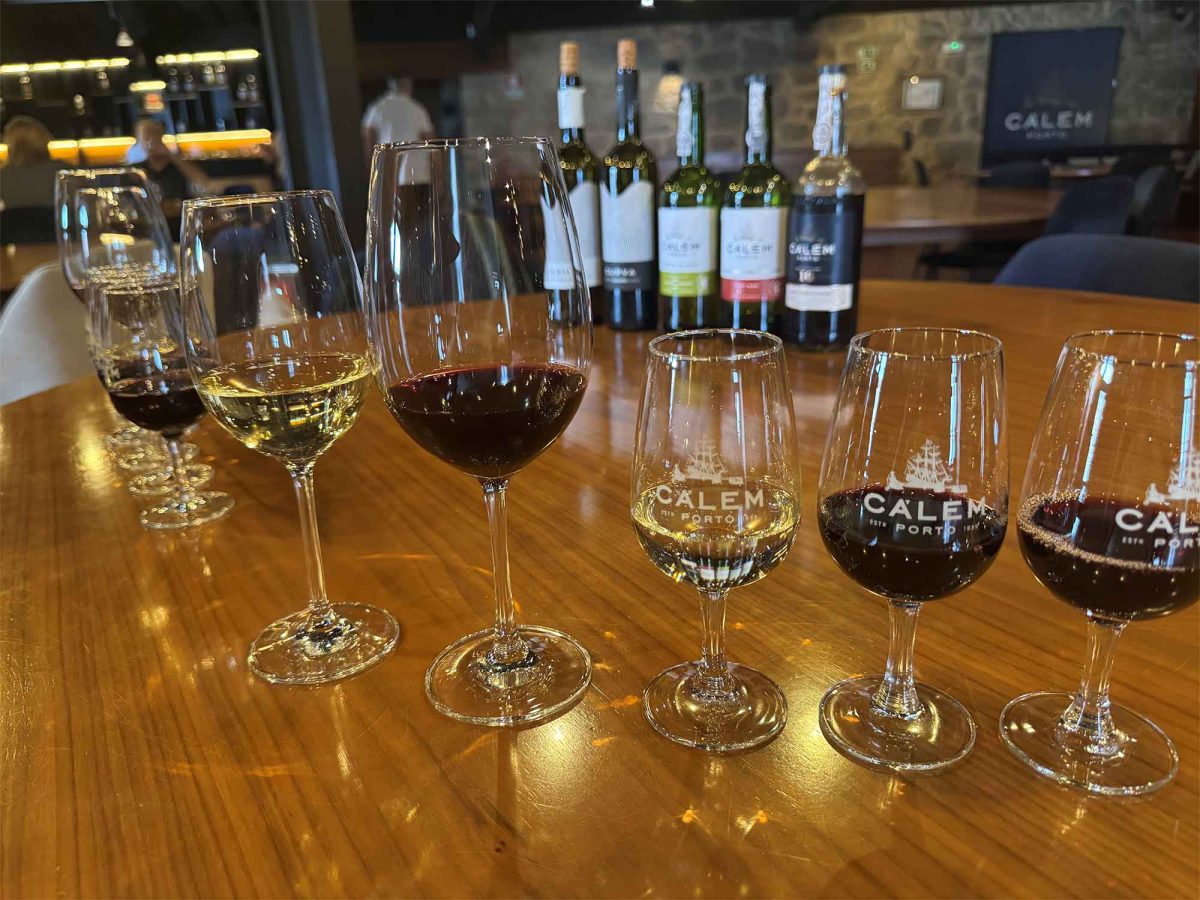
Last month, we hosted an engaging Mini Tasting focused on the diverse terroir of Paso Robles, specifically comparing wines from the West and East sides of the Salinas River.

The event showcased a range of varietals, from crisp Sauvignon Blancs and buttery Chardonnays, to robust Zinfandels and Cabernet Sauvignons. Attendees explored how the cooler, coastal influences of the West side contrasted with the warmer, sun-drenched soils of the East, providing a comprehensive look at one of California’s most dynamic wine regions.

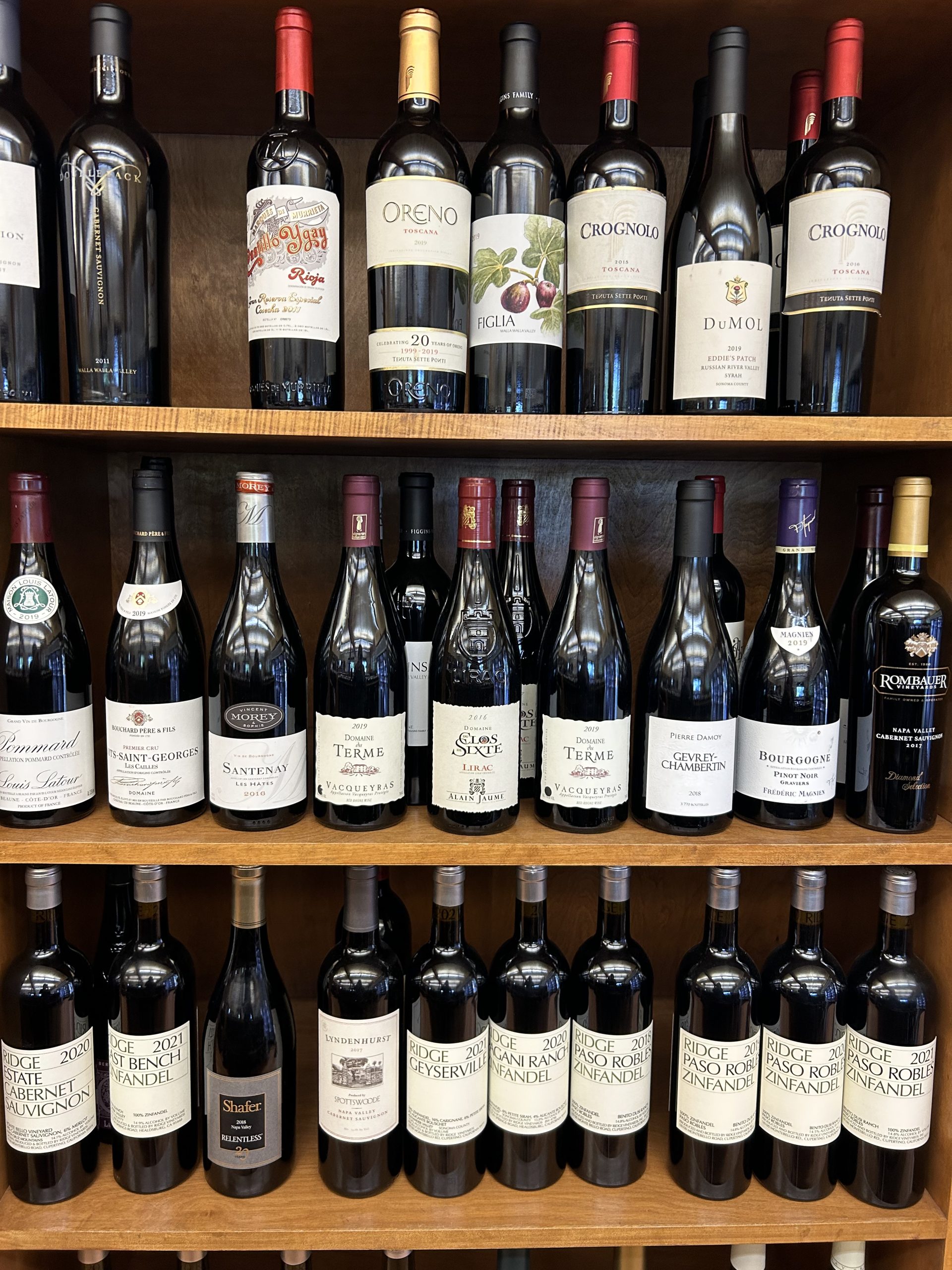
The tasting results highlighted a clear preference for the bold reds of the West side. The standout wine of the evening was the Turley 2023 Pesenti Zinfandel (4A), which garnered the highest scores across the board, including three first-place votes. Close behind in the rankings was the Adelaida Estate 2023 Cabernet Sauvignon (5A), also from the West side, which impressed the group with its structure and complexity, securing several top-tier placements.

While the higher-priced West side reds dominated the top spots, the “East” side of the river held its own with approachable and classic profiles. The Cass-Geneseo 2023 Cabernet Sauvignon (5B) and the Eberle 2024 Chardonnay (2A) showcased the reliable quality and value the East side is known for. The Tobin James 2019 Ballistic Zinfandel (4B) also sparked discussion, offering a more aged perspective compared to the younger 2023 vintages.

Overall, the Mini Tasting was a fantastic exploration of regionality. Whether it was the high-scoring Turley Zinfandel or the bright Opolo Sauvignon Blanc, the event reinforced the incredible variety available within Paso Robles. A special thank you to all the hosts and participants who made this deep dive into the Salinas River districts such a memorable and educational experience.

ChefDish
Shelley CohenChicken Parmesan
Daniel VlahovicCheese Enchiladas
John StremelPork Sliders
Lisa Schiffer-HartChicken Crepes
Carolyn & DamianSanta Maria BBQ Tri-Tip with Sauce
Laura EvansPotatoes Elegante
Cathy MacKenzieBaked Beans
Craig StarkGuiness Chocolate Cake
Tamara ReddyBaspberry Bars
Lisa SmithCherry Cobbler

—Don Mayer, OCWS Mini-Tasting Chair

Categories
Mini Tastings Recipes

CHEF OF THE EVENING

CHICKEN PARMESAN SERVED AT MINI-TASTING – Shelley Cohen

Ingredients

2 Packages of chicken thighs (can use breasts but not as moist)

All purpose flour

3 large eggs – sometimes more

Italian seasoned bread crumbs

Parmesan cheese

3 TBL chopped fresh parsley

  1 ½ tsp salt (divided)

  ¾ tsp black pepper (divided)

  Olive oil as needed

  Jar of favorite marina sauce (I use tomato, herbs & spices)

2 Cups shredded mozzarella cheese

1 Cup Parmesan cheese

3 tsp chopped fresh basil (for garnish)

Marinated artichoke hearts jar (optional)

  1.  PREHEAT oven to 425 degrees. 
  2. PUT flour in shallow dish, place the eggs in 2nd dish and beat with fork
  3. COMBINE breadcrumbs and grated parmesan cheese, 2 TBL chopped parsley, ½ tsp salt and ¼ tsp pepper in a third dish.
  4. CUT your chicken thighs in ½ or portion sizes, pat dry and season with ½ tsp salt and ¼ tsp black pepper.
  5. DIP both sides of chicken in flour, then dip in beaten eggs, then into the breadcrumb mixture.  Gently press to adhere.
  6. PREHEAT the oil over medium-high heat in large skillet.  Brown the chicken about 2 minutes per side (light brown look).  You may have to do a few batches depending on how many pieces of chicken. 
  7. SET aside on a cookie sheet each batch until all are ready.
  8. POUR a thin layer of marinara sauce on the bottom of a large overn-proof casserole; add marinated artichokes (optional).
  9. PLACE chicken on top of sauce (you may also need 2 casserole dishes)
  10. POUR thin layer of marinara sauce over the chicken to cover each one (Maybe a spoonful).
  11. SPRINKLE with the mozzarella and parmesan cheese – as much or as little as you like. 
  12. BAKE for approximately 30 minutes (keep checking to see if done by slicing the middle of a piece of chicken.  Put back in oven if looks raw.  Temperature should be 165 degrees if using a thermometer.
  13. SPRINKLE with fresh basil and parsley.

A few steps to complete this recipe but it is delicious. 

Categories
Members Corner

Home Wine Competition Volunteers Needed

It’s almost time for the 50th annual OC Fair Home Wine Competition. It is organized and sponsored by the OCWS Winemakers Group. We need your help to make it a success. The competition is on Saturday, June 6 at the OC Fair and Event Center in Costa Mesa. It’s a one-day event and runs from […]

This article is only available to members. Please LOGIN HERE to access this article.
Categories
Education Wine Education Wine Wisdom

Wine Wisdom

50 Years and Counting

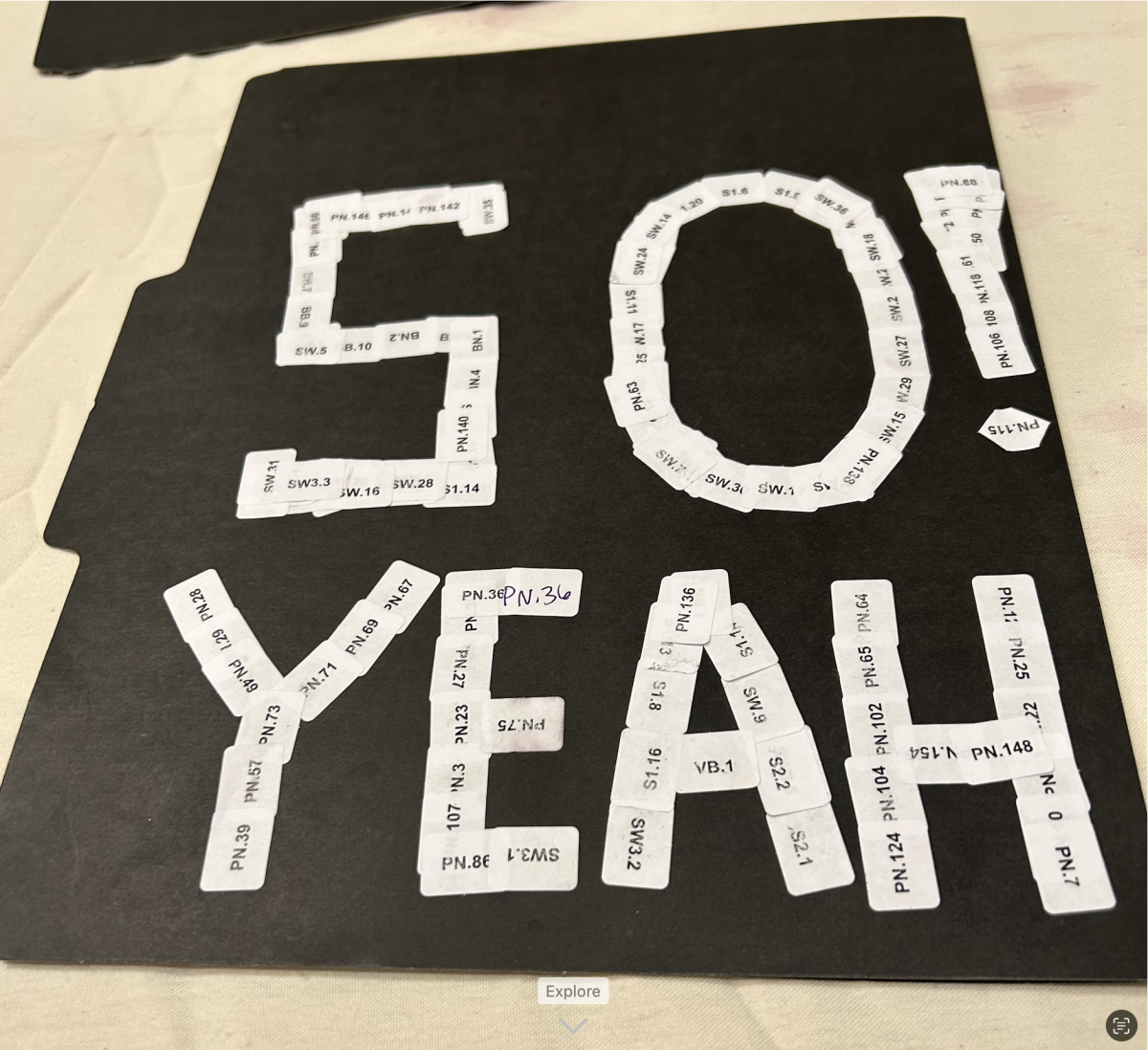
A lot happened 50 years ago. Fifty years ago, we celebrated America’s bicentennial. Fifty years ago, Apple Computer and Microsoft were incorporated. Fifty years ago, the first Rocky movie was released and Nadia Comaneci scored the first ever perfect 10 in an Olympic gymnastics’ competition. And fifty years ago, Orange County Wine Society held their first Commercial Wine Competition. That, however, was not the only wine competition of note that happened 50 years ago.

In May of 1976, in Paris, France, California wines were part of what some have called one of wine history’s most significant moments. California’s wines were put head-to-head in a judged tasting with wines from some of France’s most well-regarded winemakers: California Cabernet Sauvignon vs. red Bordeaux and California Chardonnay vs. white Burgundy. Who would arrange such a judging? And why would anyone take part in it knowingly?

This meeting of Old World wines from France and New World wines from California was to be a festive affair, partially in commemoration the USA’s 200 years of history. Steven Spurrier, a British wine merchant, who owned a Paris store and wine school, Academie Du Vin, thought a bit of friendly international competition could improve his sales. Patricia Gallagher, an American, well known in the French wine world, was Director of the Academie Du Vin. Between the two of them the idea of a California/French wine comparison became a reality. The structure they decided on was to have a blind tasting of the two varietals with six California wines and four French wines of each. Eleven judges were selected, nine French judges, well known in the wine world who included the inspector general of the Appellation d’Origine Controlee Board and the co-director of the Domaine de la Romanee-Conti Winery, plus Spurrier and Gallagher. The wines were to be judged on a 20-point basis but with no standardized set of criteria. Each judge was to evaluate each wine based on their own personal standards and knowledge.

The results, although historical in the wine world were of little importance to the-then general public. Media coverage was minimal, a single brief article by George Taber in Time Magazine who coined the term “Judgement of Paris.” And not till 2008 did it gain enough attention that Hollywood felt it deserve a movie appropriately titled “Bottle Shock.”

Because the French wine industry was shocked. How was it possible that a $10 bottle of 1973 Stag’s Leap Wine Cellars Cabernet Sauvignon (current price $250) and a $6 bottle of Chateau Montelena Chardonnay ($80 today) could receive the highest scores out scoring wines that were generally considered from the best vineyards and wine districts in the world? The Judgement of Paris changed the world’s perception that good wine can come from many places and one of those places was California.

Although it’s never been dubbed “Judgement of Orange County Fair” the annual OC Fair Commercial Wine Competition has played a role in recognizing and rewarding the quality of the wine produced in California.  It is the largest competition of California-only wines in the world. And yes, it has highly experienced judges, not 11 but over 90 winemakers and winery principals. And not just 20 wines are judged but today more than 2,500 different varietals, styles and blends are judged in a double-blind tasting.

The Judgement of Paris brought recognition to California wines at a time it was sorely needed. Although not the initial intent of the judging, it started a rapid expansion of the California wine industry that had been negatively affected by recession, war and prohibition. An industry with only between 50-60 wineries in the 1970s, that as of January 2026 has 4,672 bonded wineries. And maybe only a coincidence, but in 1978, two years after France’s wake-up call Baron Philippe Rothschild and Robert Mondavi started Opus One Winery.

The Judgement of Orange County Fair, likewise, brings recognition to California wine, however, annually. So, whether you drink French wine from vineyards that are nine time zones and 5,700 miles way or local California wine that can match the quality of wine from anywhere in the world, just sit back, open the bottle and enjoy it without being judgmental!

—CL Keedy, Wine Education Co-Chair

But whose wines are to be judged?

Despite Steven Spurrier’s ownership of a wine store, he was not very familiar with California wines. Therefore, relying on Patricia Gallagher’s knowledge to help identify and source the California wines, Spurrier traveled to California and selected the six Cabernet Sauvignons and the six Chardonnays for the tasting, unbeknownst to the chosen wineries. The purchased bottles: Cabernet Sauvignons from Stag’s Leap Wine Cellars, Ridge Vineyards Monte Bello, Heitz Wine Cellars Martha’s Vineyard, Clos Du Vol Winery, Mayacamas Vineyards and Freemark Abbey Winery. Chardonnays from Chateau Montelena, Chalone Vineyard, Spring Mountain Vineyard, Freemark Abbey Winery, Veedercrest Vineyards and David Bruce Winery were then transported to France via rather unconventional methods, primarily as traveler’s personal luggage to avoid logistical problems. The four French wines of each variety were either Burgundy grand cru: Meursault Charmes Roulet, Beaune Clos des Mouches Joseph Drouhin, Batard-Montrachet Ramond-Prudhon and Puligny-Montrachet Les Pucelles Domaine Leflaive or Bordeaux classified growths: Chateau Mouton-Rothschild, Chateau Montrose, Chateau Haut-Brion and Chateau Leoville Las Cases.