After reading the results of the 2026 OC Fair Commercial Wine Competition and checking out the Best of Class and the Double Gold award winners at winecompetition.com, I started to wonder what makes a wine worthy of these rewards? I could ask the competition’s judges but they had all gone home.
So, I thought, via the internet, I would reach out to some well-known sources in the wine industry and ask; What makes a wine great? The following answers came from two well-known wine publications; Wine Spectator and Decanter; three wine critics: Jancis Robinson, Robert Parker and Jeb Dunnuck: and finally, three wine authors: Madeline Puckette (Wine Folly) and Jamie Goode (The Science of Wine; From Vine to Glass) and Karen MacNeil (The Wine Bible).
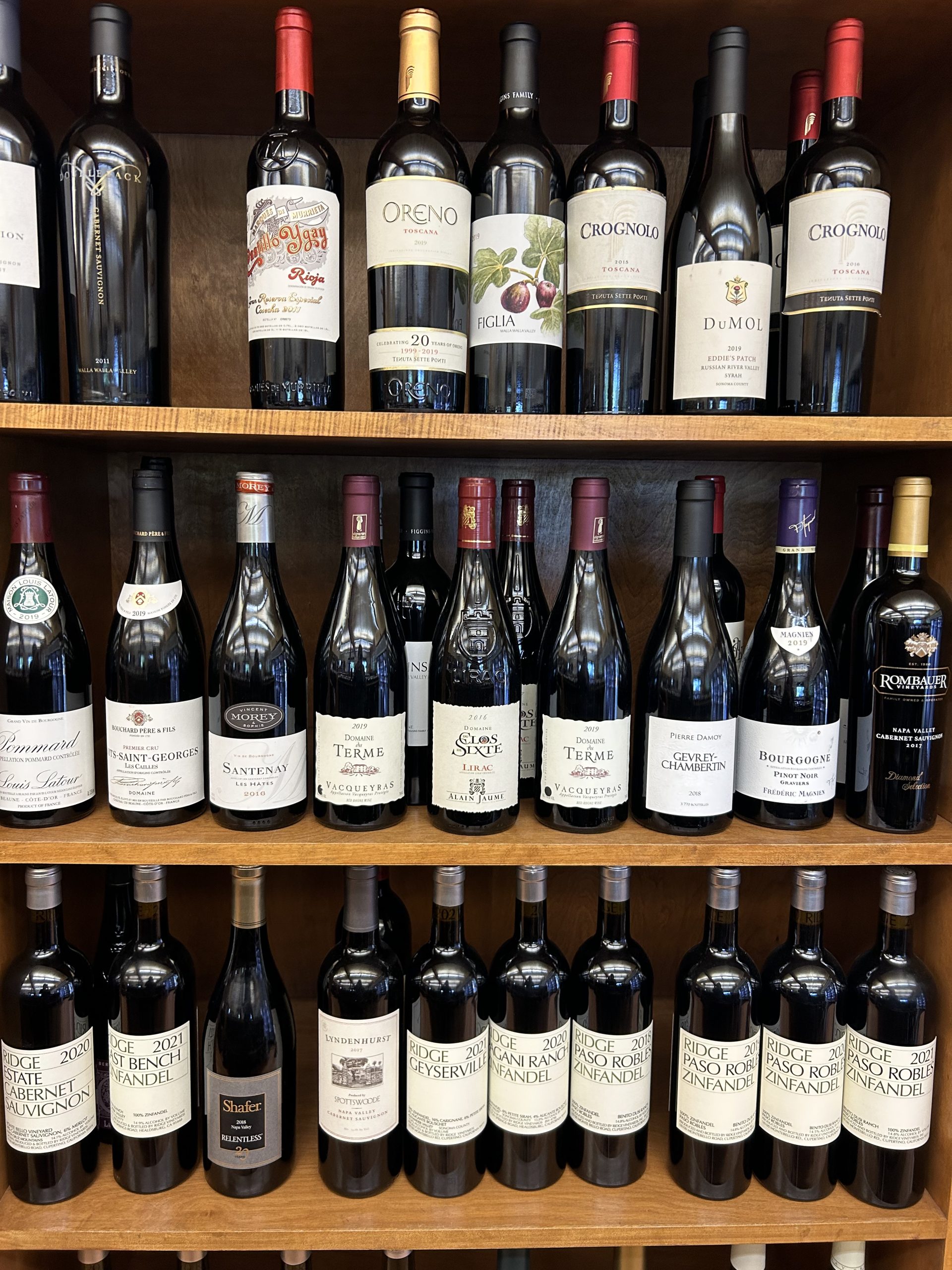
First, let’s define the components of wine that will be the basis for determining a great wine. There are five important structural components of wine that are all sensed on the palate: sweetness or residual sugar, mouthwatering feeling from acidity, mouth drying feeling from tannin, alcohol level and body or weight but these structural components need to complement each other perfectly so no single component overpowers another and likewise so no single component fails to make a contribution. To judge if a wine has the basis of greatness and has accomplished the necessary coordination of components it must have a balance of the five structural components, plus a lingering finish of pleasing flavors and an intensity and complexity of aromas and multi-layered flavors. But all this is the foundation of a good or even basic wine. Is it enough for a great wine? What do my internet sources feel is necessary for that final acclamation of greatness?
Wine Spectator says greatness is achieved by the faultless combination of balance, finesse, complexity, elegance and restraint and sense of place. They define elegance and restraint as clarity of taste with tannins that are not overpowering. Sense of place or terroir refers to a wine’s reflection of its origin, where it came from.
Decanter magazine lists balance, complexity, intensity, length and typicity as the features that define a great wine. They add the term typicity, which is how well the wine characterizes the grape variety and the grape’s particular region to accompany sense of place and terroir.
Jancis Robinson says a great wine must have longevity, balance, complexity, length and terroir (sense of place). She has added the need for longevity for a wine’s greatness. A great wine must not only have the required greatness qualities when young but also as it matures and ages in the bottle.
Robert Parker saying “a great wine transcends mere drinkability” sets out the following conditions: pleasing the palate and intellect; holding a taster’s interest, intensity without heaviness, reflection of terroir and aging potential. Although he lists the concepts with his own terminology and definitions, he generally agrees with others’ criteria. But he also brings in the taster’s experience, what he calls “an emotional experience” as a determining factor.
Jeb Dunnuck, although saying he limits his criteria, he uses the following rather broad descriptors for his evaluation: a wine has to provide both hedonistic and intellectual pleasure (complexity and experience); great wines deliver a depth and intensity of aromas and flavors without being heavy (balance and intensity); the ability of a wine to improve with age (finish and longevity); a singular personality (terroir, sense of place).
Author of Wine Folly, Madeline Puckette simply lists balance, acidity and tannin, complexity and typicity (terroir) as the core for greatness.
Author Jamie Goode states that a great wine should have transparency and precision (terroir); acidity and focus; complexity and harmony (balance); the ability to evoke emotion (experience). However, he suggests a wine’s greatness is attained without a winemaker’s manipulation.
And finally, Karen MacNeil, The Wine Bible author, has the most extensive list for a wine to achieve greatness. Her nine qualifiers are (with her extra explanations added): distinction ( true expression of the grape(s) used), precision (precise and well defined flavors), balance (all components in equilibrium), aliveness & choreography (vibrant and dynamic in the mouth), beyond fruitiness (flavors and aromas beyond fruit), complexity (multifaceted flavors and aromas), connectedness (the embodiment of a particular place), length (persistence of the wine on your palate even after swallowing), capacity to age, and ability to evoke an emotional response (the rare power to make us feel). When examining her list in depth she is in agreement with the others on what makes a wine great although much more nuanced in assigning the reward.
My sources have generally agreed on the attributes of a great wine are balance, complexity, finish, intensity, terroir, age ability, typicity and experiential longevity. What they haven’t agreed on is how to measure all of these characteristics. Each source, although with some common understandings, have their own unique method of determining a great wine. As they also have their own unique palate. And though they may be able to agree on a particular wine’s greatness that can’t always be guaranteed. My own definition of a great wine is one with balance, complexity, intensity, length, typicity, all of which so many good wines have, but then I need the WOW factor, that “emotional” response that I’ve just tasted something great that I won’t forget.
Now it’s your turn. Make a list of your own criteria and go find your own great wines. I will be doing the same. And while we are looking, just get a bottle, open it and enjoy the experience. Cheers!
—CL Keedy, Co-Chair Wine Education Committee